 Spanish
  Italian
  Polish
  English
  Arabic
  Turkish
  Russian
  French
  Chinese
  Deutsch
  GBP
GBP  EUR
EUR 

 Destination Guides

Istanbul Travel Guide: Where East Meets West
Istanbul is the only city on earth that straddles two continents, and it wears 2,500 years of empire lightly. Byzantine mosaics face Ottoman domes; ferries cross the Bosphorus past Ottoman palaces; and the call to prayer floats over rooftop terraces serving meze and raki. It's one of the world's great city breaks — and one of its best value.
Why Visit Istanbul?
Rome ruled from here. Byzantium was born here. The Ottomans crowned it. Istanbul layers three empires into one skyline — and then adds the Grand Bazaar, a legendary food culture and Bosphorus sunsets. No city rewards wandering more generously.
Best Time to Visit Istanbul
April to June and September to November bring mild weather, tulips or autumn colour, and manageable crowds. July and August are hot and busy. Winter is grey and occasionally snowy, but hotels drop to their cheapest and the monuments stand empty. Ramadan dates shift yearly — evenings become festive feasts.
Top Things to Do in Istanbul
Sultanahmet's big three: Hagia Sophia's 1,500-year-old dome (now a mosque — dress modestly, visit outside prayer times), the Blue Mosque's six minarets and İznik tiles, and the Basilica Cistern's forest of columns beneath the streets. Book Hagia Sophia and Topkapı Palace tickets online to skip queues.
Topkapı Palace: Four centuries of sultans, harems and jewels, with Bosphorus-view terraces. Allow half a day.
Grand Bazaar and Spice Bazaar: 4,000 shops under one vaulted roof — ceramics, carpets, lanterns and leather. Bargain politely; the Spice Bazaar's Turkish delight and saffron make the best souvenirs.
Bosphorus cruise: The public ferry to Anadolu Kavağı is the budget classic; sunset cruises add dinner and views of illuminated palaces. Either way, two continents glide past.
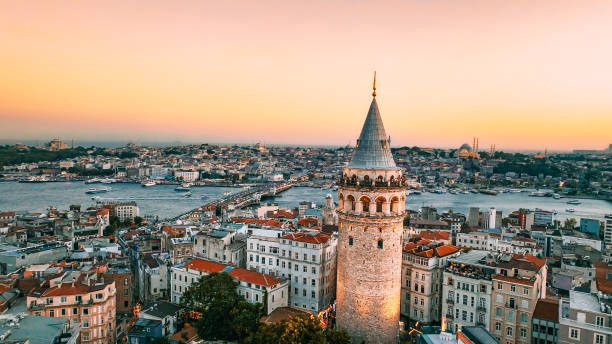
Galata and Karaköy: Climb the Galata Tower at opening, walk İstiklal Avenue, then descend through Karaköy's café and gallery streets to the waterfront.
Hammam ritual: A scrub and foam massage at a historic bath (Kılıç Ali Paşa or Ayasofya Hürrem Sultan) is the ultimate jet-lag cure.
Where to Stay in Istanbul
Sultanahmet puts the monuments at your door — atmospheric but touristy at night. Karaköy and Galata offer the trendiest base between old and new towns. Beşiktaş and Nişantaşı feel local; Kadıköy on the Asian side is the foodies' favourite with the best-value hotels.
Getting Around
The Istanbulkart covers trams, metro, funiculars and ferries — buy one at any station and top up. The T1 tram links Sultanahmet, the bazaars and Kabataş. Ferries are transport and sightseeing in one. Taxis are cheap but traffic is brutal; insist on the meter.
Practical Tips for 2026
Many nationalities need an e-visa — apply online before flying. Mosques close to tourists at prayer times; women should carry a scarf. Eat like a local: simit for breakfast, balık ekmek (fish sandwich) by the Galata Bridge, meze dinners in Nevizade or Kadıköy. Museums closed Mondays vary — check ahead. Carry cash for bazaars; cards work everywhere else.
The Bottom Line
Istanbul is a feast disguised as a city. Split your days between Sultanahmet's monuments and the modern districts, eat everything, and take the ferry at least once at golden hour. Find flights to Istanbul on Skyvela and let two continents welcome you.