 Spanish
  Italian
  Polish
  English
  Arabic
  Turkish
  Russian
  French
  Chinese
  Deutsch
  GBP
GBP  EUR
EUR 

 Destination Guides

Lisbon Travel Guide: Trams, Tiles and Europe's Sunniest Capital
Lisbon does melancholy beautifully — they even have a word for it, saudade — but spend three days here and mostly you'll remember the light: golden sun on tiled façades, laundry lines over seven hills, and the wide glitter of the Tagus. Europe's most charming capital is compact, affordable by Western standards, and built for slow wandering.
Why Visit Lisbon?
Lisbon packs a disproportionate punch: Age of Discovery monuments in Belém, the Moorish alleyways of Alfama, a booming food scene from tascas to Michelin stars, and beaches and fairytale palaces within an hour. The welcome is famously warm, the wine flows cheap, and the sunsets come with castle views.
Best Time to Visit Lisbon
Lisbon claims around 300 days of sunshine a year. May to October is reliably warm — June adds the Santos Populares street festivals, September and October bring warm seas and thinner crowds. Winter is mild (15°C) and quiet, with the year's best hotel deals; pack a jacket for Atlantic breezes and the occasional shower.
Top Things to Do in Lisbon
Alfama and the castle: Climb through Lisbon's oldest quarter — tiled walls, fado drifting from taverns, miradouro viewpoints at every turn — up to São Jorge Castle for the panorama. Portas do Sol and Santa Luzia are the classic sunset terraces.
Belém: The Jerónimos Monastery's Manueline cloisters, the Tower of Belém, the Monument to the Discoveries — and the original custard tarts at Pastéis de Belém, still warm with cinnamon. Go early to beat coach tours.
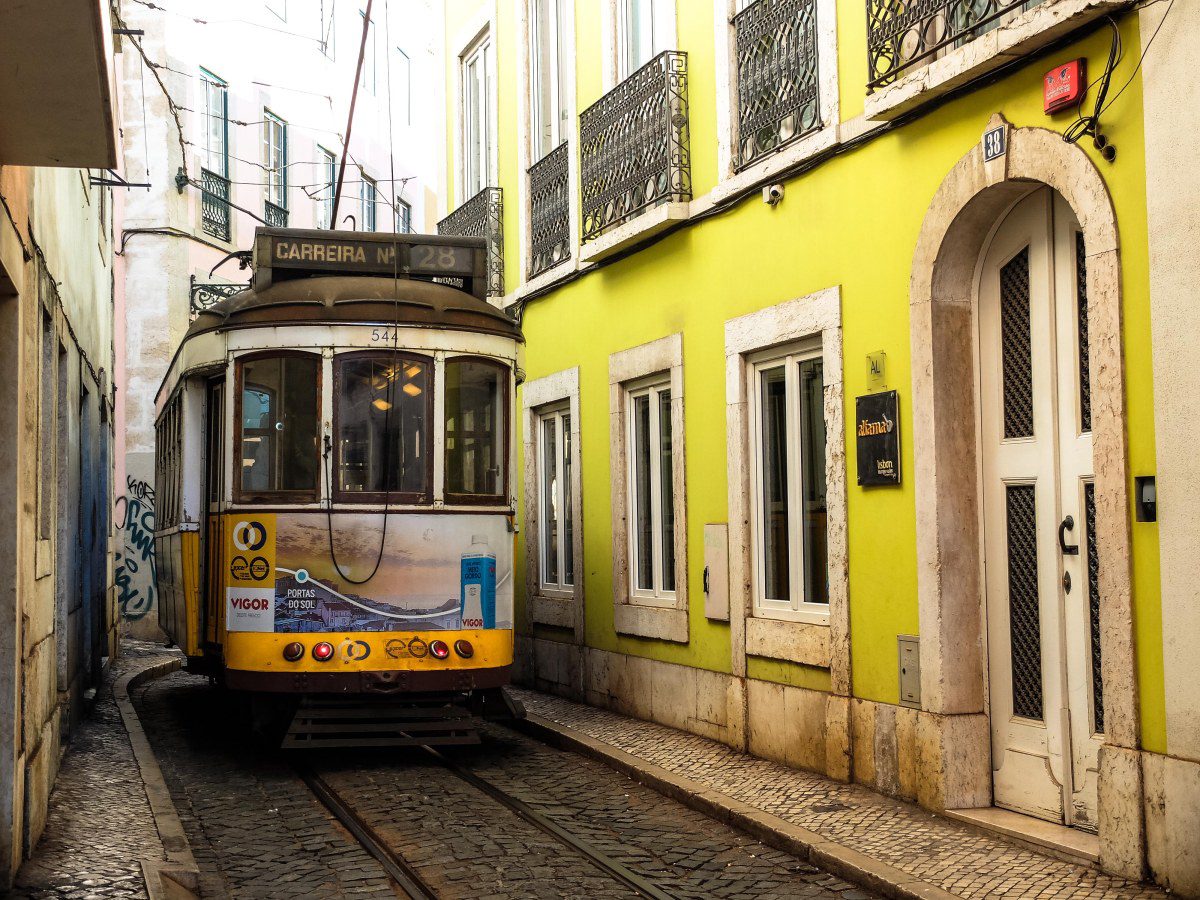
Tram 28: The vintage yellow tram rattles through Graça, Alfama and Baixa. Board at the Martim Moniz terminus before 9am for a seat — and watch your pockets.
LX Factory and the riverfront: Industrial chic under the 25 de Abril Bridge — bookshops, street art, Sunday markets. Walk the waterfront from Belém back toward Cais do Sodré's Pink Street.
Time Out Market and tascas: Sample Portugal's best chefs under one roof at the market, then eat like a local: grilled sardines, bifana sandwiches, ginjinha cherry liqueur from a standing bar.
Day trips: Sintra's palaces (Pena Palace requires timed tickets booked ahead), Cascais for beaches, and Arrábida or the Alentejo for wine country.
Where to Stay in Lisbon
Baixa and Chiado are the walkable heart. Alfama and Graça offer old-Lisbon atmosphere with viewpoints. Príncipe Real is the stylish choice — gardens, concept stores, great dining. Budget travellers find excellent hostels and guesthouses citywide.
Getting Around
Lisbon's hills are real: mix walking with trams, funiculars (Glória, Bica) and the Santa Justa Lift. The metro covers the airport; a Viva Viagem card with zapping credit keeps everything cheap. For Sintra, take the train from Rossio station — cars are a headache there.
Practical Tips for 2026
Portugal is Schengen; most Western visitors enter visa-free. Wear grippy shoes — Lisbon's calçada mosaic pavements are beautiful and slippery, especially wet. Dinner starts late (8pm+); book the popular restaurants. Sardine season peaks in June. Day-trip logistics: buy Pena Palace tickets days in advance, and visit Sintra midweek.
The Bottom Line
Lisbon is the European capital that never tries too hard — and doesn't need to. Ride the tram, chase miradouros at golden hour, and leave a day for Sintra. Find flights to Lisbon on Skyvela and go find the light.