 Spanish
  Italian
  Polish
  English
  Arabic
  Turkish
  Russian
  French
  Chinese
  Deutsch
  GBP
GBP  EUR
EUR 

 Destination Guides

Rome Travel Guide: Ancient Wonders, Vatican City and La Dolce Vita
Rome isn't a museum — it's 2,800 years of history still being lived in. Ancient temples hold up modern apartments, Vespa traffic swirls around the Colosseum, and dinner in a trattoria can stretch past midnight. The Eternal City overwhelms in the best way; this guide helps you see the greatest hits while leaving room for the dolce vita.
Why Visit Rome?
Nowhere else layers history so densely: a single morning can take in a republic-era forum, a Renaissance basilica, a Baroque fountain and a Fascist-era boulevard. Then there's the food — carbonara, cacio e pepe, supplì, gelato — and a street life that turns every piazza into a theatre.
Best Time to Visit Rome
April to June and September to October bring warm days, outdoor dining and manageable crowds. July and August are hot and packed, though Romans' August exodus empties some neighbourhoods. Winter is mild, quiet and cheap — Christmas and Easter are beautiful but busy. Whatever the season, book the Colosseum and Vatican in advance.
Top Things to Do in Rome
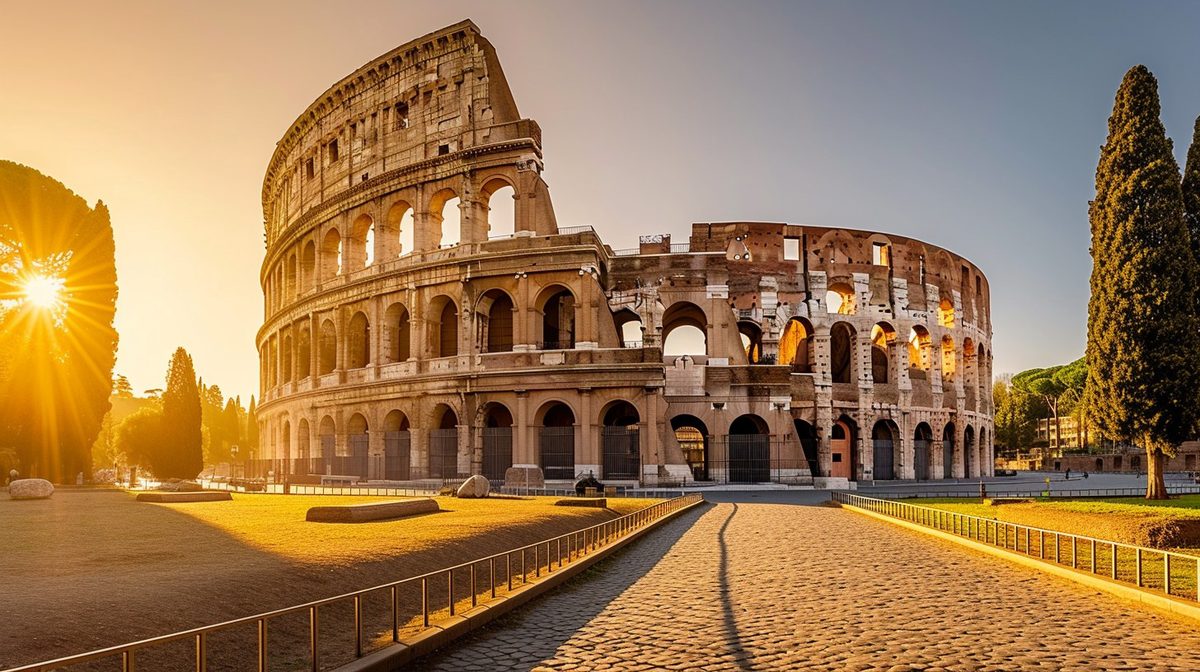
Colosseum, Forum and Palatine Hill: One combined ticket covers the heart of ancient Rome. Book timed entry online, and consider the arena-floor or underground tours for a different perspective.
Vatican City: St Peter's Basilica is free (arrive before 8:30am to beat security lines); the Vatican Museums and Sistine Chapel require advance tickets. The climb up Michelangelo's dome rewards with Rome's best view.
Pantheon: Two thousand years old and still the world's largest unreinforced concrete dome. Entry now requires a small ticket — book the first slot of the day.
Trastevere: Cobbled lanes, ochre walls and Rome's best evening atmosphere. Cross the Tiber at sunset, dine at a family-run trattoria and join the piazza crowds at Santa Maria.
Trevi Fountain, Spanish Steps and Piazza Navona: The classic walking triangle. Visit the Trevi at dawn to see it empty; toss your coin over your left shoulder for the return trip.
Where to Stay in Rome
The Centro Storico (Pantheon–Navona area) is the most atmospheric and walkable base. Trastevere suits nightlife and food lovers, Monti offers village charm near the Colosseum, and Prati provides calmer streets near the Vatican. Termini station areas are convenient but less charming.
Getting Around
Rome's centre is best on foot — most major sights sit within a 30-minute walk. The Metro (lines A, B and C) covers the Colosseum, Vatican and Spanish Steps; buses and trams fill the gaps. Validate paper tickets when boarding. From Fiumicino airport, the Leonardo Express train reaches Termini in 32 minutes.
Practical Tips for 2026
Book the Colosseum and Vatican Museums as soon as dates open — they sell out weeks ahead. Churches enforce dress codes: cover shoulders and knees. Dinner starts at 8pm or later; the coperto (cover charge) on bills is normal, but check menus posted outside. Drink free from Rome's 2,500 nasoni water fountains. Beware pickpockets on crowded buses and at Termini.
The Bottom Line
Rome can't be finished in one trip — that's the point. See the icons early, spend afternoons in neighbourhood trattorias, and leave something for next time, because there will be a next time. Compare flights to Rome on Skyvela and start planning.